kein Weltgetümmel
nur ein hellgraues Nichts aus
kleinen Quadraten

kein Weltgetümmel
nur ein hellgraues Nichts aus
kleinen Quadraten
wer braucht schon Hauben?
die Klosterküche verwöhnt
mit Seetangsuppe
weiden da Schafe?
sieben Japaner bimmeln
auf steilem Bergpfad
Im japanischen Bergwald ist das Mitführen kleiner Glöckchen üblich. Durch das Gebimmel sollen unliebsame Begegnungen mit wilden Bären verhindert werden.
Wind löscht die Kerzen
aber der Buddha lächelt
als ob sie brennten
erst ziehharmonisch
über die Füße
es folgt ein langer
verwegener Ritt
beinaufwärts zu den
Waden und Schenkeln
dann endlich spürt man
den Anschlag im Schritt
Der Autor hat bei dem Versuch, im kalten Japan warme Kleidung überzustreifen, Erfahrungen gemacht, die er der literarischen Öffentlichkeit keinesfalls vorenthalten möchte. – Einer klugen Leserin ist es übrigens gelungen, diesen Reim allen Ernstes frauenfeindlich zu finden: Glückwunsch!
taufrisch und sauber
riechen sie doch verlockend
nach Meeresfrüchten
Es war leider nicht zu klären, ob die Hotelwäscherei etwa neben einer Marinadenfabrik liegt.
von allen Tischen
schniefen Schnupfen einander
geheime Grüße
ganz ohne Weihrauch
müssen hölzerne Buddhas
kläglich ersticken
Schiffe im Nebel
smartphoneblind warnt man einander
durch Naseschniefen
Kioto
aus nur zwei Beinen
flicht sie im Stehen einen
geschnörkelten Zopf
der rote Wegschrein
zermalmt wo soll der Berggeist
in Zukunft wohnen?
I
schon tausend Stufen
und ach zum Gipfeltempel
noch einmal tausend
II
der Berggeist schmückt mir
den Weg mit einem Teppich
aus Morgensonne
III
Kopfhörer brauche
ich nicht mir genügen die
Lieder der Krähen
IV
der Sturm letztes Jahr
den Waldweg durchweht der Duft
gefällter Zedern
Fellohrenschützer
so breit wie der halbe Kopf
Nicht überholen!
maikäferleise
summt eine alte Nonne
wortlose Lieder
Shoren-in
die Kronen wogen
unten knarzen gelassen
mächtige Stämme
strebt sie nach Bildung?
ach was! sie schaut im Spiegel
nach ihren Pickeln
er lächelt zwar nicht
aber er grüßt die Gäste
mit Wintersonne
selbst als der Bus kommt
rührt Yoko sich nicht vom Fleck
sie wartet so gern
I
winziges Mädchen
mit Stubenfliegenbeinen
schleppt großen Ranzen
II
winziges Mädchen
von einem Riesenranzen
schulwärts getrieben
Berge in Wolken
feuchtkalter Wind ich bleibe
zufrieden im Bett
gewaltige Schals
als läge ein Tennisball
auf einem Sofa
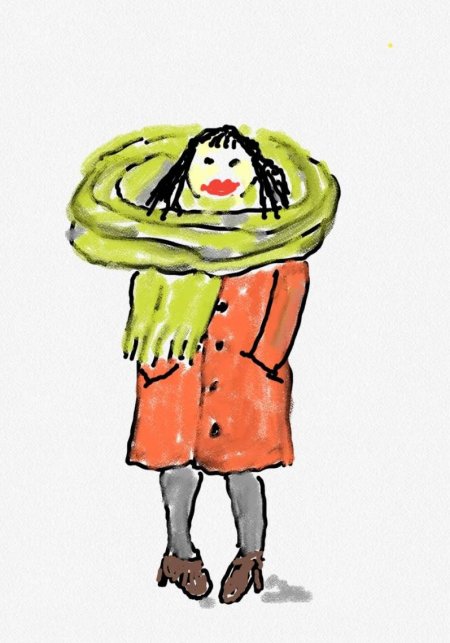
die tragen Mäntel
als hätten sie gleich den Schrank
mit angezogen

Stimmen Gelächter
Schinken Brötchen Salami
und weißer Milchschaum
so zart sie auch ist
wenn sie im Gang vorbeiläuft
erdbebt mein Sessel
von fern ist sie schick
von nahem aber schnurkst sie
den Nasenrotz hoch
am Ende gluckert
selbst noch die größte Liebe
durch Abflussröhren
die Schere im Kopf
kann er sich durchaus sparen
er denkt nur Kurzes
ein Beitrag zur Nachhaltigkeitsdiskussion
die Susi hat es
bei mir vergessen
Sabine hat es
rasch durchgespült
es angezogen
und sich dann Jahre
in Susis Seide
sauwohl gefühlt
Ein Glücksfall. Dass die Sache auch weniger glimpflich hätte ausgehen können, zeigt der folgende Dialog zwischen den beiden in Wohngemeinschaft lebenden jungen Ärztinnen Angela und Caroline aus der britischen Fernsehserie „Green Wing“ (2004-2006):
Angela: Erm, in private, if that’s OK?
Caroline: Er, yep.
Angela: Maybe I should have waited. It’s just that it’s been bugging me and getting me annoyed, and I don’t want to get all stressed out and angry cos it makes me look ugly.
Caroline: What is it? Have I upset you?
Angela: Are you wearing my pants?
Caroline: What?
Angela: My white tanga briefs. They’re plain cotton, not sexies, but they’re my cute sportsies.
Caroline: No, I haven’t got them.
Angela: Ah, because I think you have. I put them in the drier, but they were gone today when I came to iron them.
Caroline: You iron your pants?
Angela: Of course. So if you could return them, I’ll say no more about it.
Caroline: But I haven’t taken them.
Angela: You’re wearing them now, aren’t you? Caroline, you let your dirty washing stack up, you were desperate for a fresh pair. I understand, but it’s the principle, you see. It’s theft. I will not wear them after your vagina has been in them – I’ll burn them – but I want what is legally mine.
Caroline: Shut up!
Angela: What?
Caroline: I haven’t taken your pants, I wouldn’t want to. Stop being so anal.
Angela: Give me back my pants.
Caroline: Don’t make me get cross.
Angela: You see, you’ve obviously got something to hide. Give me back my pants.
Caroline: Yes, I have died and gone to heaven. (…)
Kräuterteenamen
täglich lyrische Tröstung
für Biofrauen

künstliche Wimpern
wie Straßenbesen Blicke
wie Kehrmaschinen
oben pustet sie rein
doch unten hält sie es zu
ob das wohl gut ist?

(traditionelle Handhaltung mit der rechten Hand im Trichter und der linken an den Ventilen)
die Wiese noch grün
die Maulwurfshügel schon weiß
einhundert Fujis
die Lampenkrake
ernährt sich genügsam von
menschlichen Stimmen

klammheimlich rückt er
verrutschte Flurfußmatten
auf rechten Winkel
Tamsui, Taibei
den Graukopf gebeugt
die Weihrauchlanze in Glut
stürmt sie den Tempel
statt Wimpern Stacheln
hinter der Brille Augen
wie Tellereisen
als sie sich vorbeugt
glänzt zwischen T-Shirt
und Hosengürtel
ein Streifen Tattoo
ich greif zur Brille
schon steht sie aufrecht
und ach der Hemdspalt
schnappt wieder zu
stolz schwebt er über
dem Teich insgeheim steht er
auf einer Sandbank
die Mauern sind nicht
nur schwarz sie haben auch noch
die Buckelseuche
in all der Seide
abends die kleine Geisha
nicht mehr gefunden
sie trägt gern dicke
wollene Strümpfe
vom Straps beinabwärts
bis zu den Zehen
die halten sie warm
nur ganz ganz oben
kann man noch manchmal
Gänsehaut sehen
die weiße Wand die
schwarzen Schatten der Zweige
ein springender Punkt
die Hochsteckfrisur
ein schönes Geheimfach für
Hintergedanken
Männerhände auf
zarten Rücken erst oben
dann weiter unten
Tag für Tag übt sie
mit echtem Schampus nur ja
nicht umzufallen
das Kleid erweist sich
wenn man ganz unten drauftritt
als oben zu kurz
finstre Gesichter
das neue Jahr scheint ihnen
nicht zu gefallen
eine quantitative Untersuchung
101 Frauen
45 Gespräche
1 höllischer Lärm
wie gut zu wissen
unter Pomade und Haar
doch auch ein Schädel
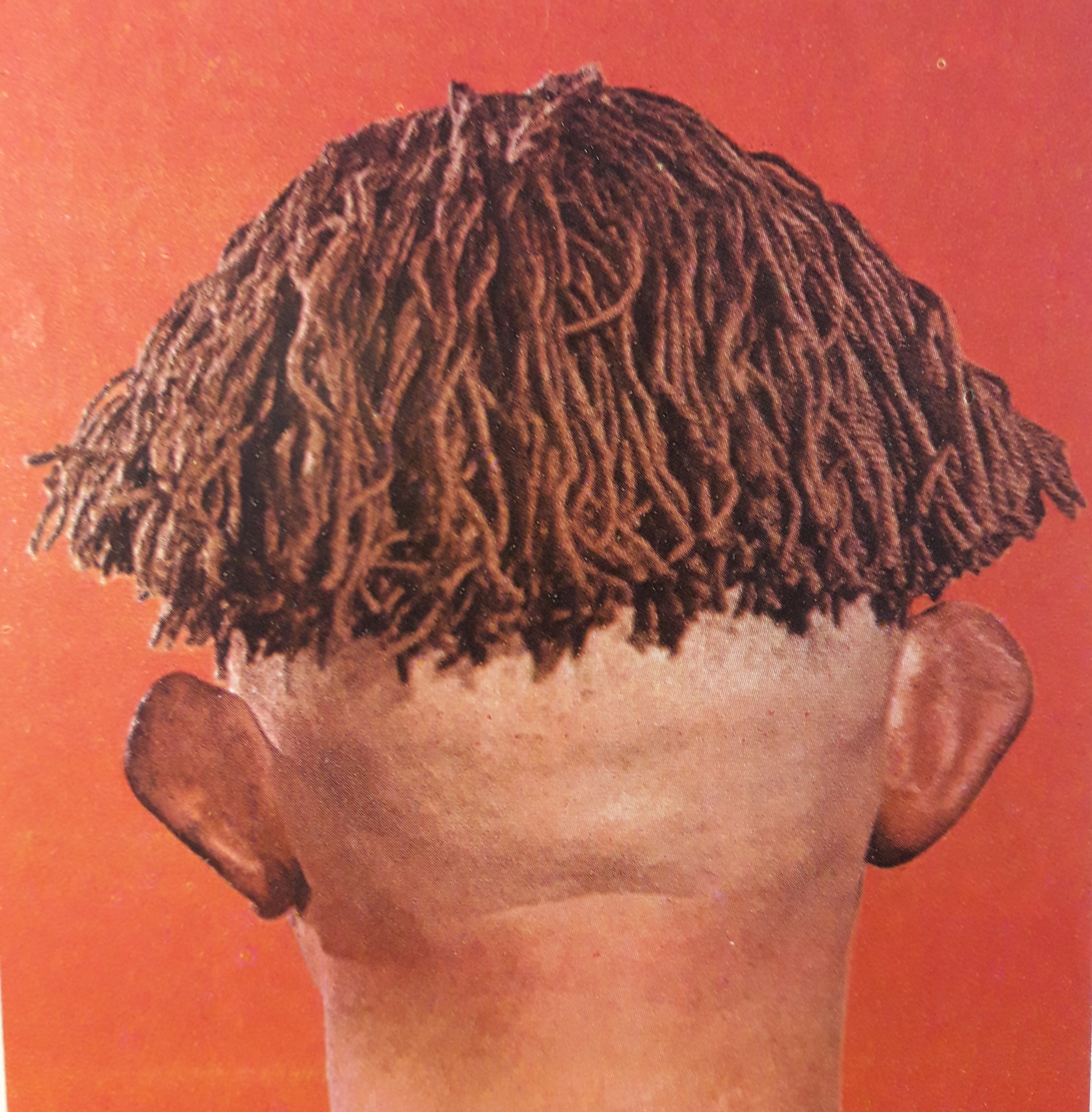
Quelle: HARAKIRI. journal bête et méchant. nº 127, avril 72. 8.
sie langweilt oben
unten aber erfreut sie
mit Spitzenstrümpfen
sie dösen wortlos
über ihrem Prosecco
goldene Hochzeit
seit Susi weg ist
hoffen die Hocker sehnlich
dass sie zurückkommt

im Nachbargarten
das vergessene Bierglas
schon halb voll Regen
sie tauscht alles um
nur für den Gatten fehlt ihr
der Kassenzettel
dutzende Strümpfe
wenn doch ach wenigstens zwei
zusammenpassten
die Bäume im Park
ganz ohne Kerzen und Kitsch
welch eine Wohltat
I
kein Stern am Himmel
nur noch die sturmverwehten
Hemden der Engel
II
die hellen Fenster
spiegeln sich in den Pfützen
doppelte Freude
mehr und mehr Frauen
tragen wieder statt Jeans die
eigenen Beine
Sprudel ist ihnen
ein Graus sie schlürfen verzückt
reizloses Wasser
vorschlafen soll ich
ihr was? das wird vergnüglich
ich tu nur als ob
sie wirken grämlich
ihnen fehlt die korrekte
Untergangsfreude
sie lächelt mir zu
ich (70) stürme ins Bad
mein Haar zu strählen
blond und mit Brille
gluckert sie als ersöffe
in ihr ein Goldfisch
es geht ihnen gut
unglücklich sind sie trotzdem
aus Überzeugung
sie hat schon alles
leider hat sie es nicht in
anderen Farben
seitlich geschoren
nur ganz oben Locken ein
qualmender Schornstein
die lauten Nachbarn
von der Terrasse verscheucht
Herbstregenschauer
nach all der Sonne
der kühle Nieselregen
auf meinen Wangen
ich wäre so gern
ihr Badeentchen
dann schwebte ich sanft
auf kleinen Wellen
im knisternden Schaum
und dürfte zög sie
plötzlich den Stöpsel
an ihr zerschellen
wenn sie nicht da ist
tanzen in ihren Schuhen
die Seidenstrümpfe
sie kickt die Pumps weg
und speist in Söckchen er träumt
von langen Nylons
wenn man gut hinhört
hört man ihr dunkles Auge
beim Zwinkern schmatzen
frei nach Arno Schmidt: Tina / oder
über die Unsterblichkeit. 1958.
eingezwängt zwischen
Schwabbelbacke und Kopftuch
ihr weißes Handy
der Mond gespiegelt
in tausend Suppenschälchen
mit Lauch und Nudeln
sie drückt auf den Knopf
schon ist ihr Sommerkleidchen
wie weggeblasen
haarig war gestern
hier rasiert man sogar schon
die Kokosnüsse
manche verreisen
um auswärts ihre Tattoos
Gassi zu führen
immer nur Weihrauch
sie träumt des Nachts von einem
Posten im Fischmarkt
statt eines Fischs ein
Portemonnaie nun streiten sie
lachend ums Geld
quietscht oben ein Bett?
ach was hier unten eiert
der Ventilator

sie schwingt die Hüften
in Nylons und knappem Rock
wie soll ich essen?
im Nachbarhochhaus
leuchtet von tausend Fenstern
ein einziges rot
er hat sie versetzt
nun isst sie trotzig lauter
Hörnchen mit Butter
ein kühler Windstoß
Gänsehaut wandert über
die Bäume im Park
am Stehtisch grübelt
über dem Cappuccino
ein brauner Turban
er schwingt die Beine
lässig seitlich im Halbkreis
um seine Mitte
Zeitungsgezeter
lieber hör ich das leise
Murmeln der Haiku
ein kurzes Glitzern
später die ganze Nacht lang
der goldene Mond
statt hoch zur Sonne
schaut sie zur Spitzenwäsche
im Nachbargarten
über dem Stadtpark
zerfetzte Wolken Bäume
mit Sturmfrisuren
zwei alte Damen
bekämpfen einander mit
Goldschmuck und Enkeln
da geht ein Bettler
Himmel und Erde trägt er
als Sommerkleider
Kikaku (1661-1707)
There a beggar goes!
Heaven and Earth he’s wearing
for his summer clothes!
(aus: Anthology of Japanese Literature. From the Earliest Era to the Mid-nineteenth Century. Compiled and edited by Donald Keene. Tokyo: Tuttle 1956. 385. Übersetzung: Harold G. Henderson.)
was wir auch sagen
jeden kleinen Gedanken
durchkreuzen Wespen
ein Originalton
… ohne Light haben
wir Joghurt nicht wir haben
nur Joghurt mit Light …
kaum tanzen Wespen
vor ihrer Nase schon springt
sie auf und tanzt mit
knisternde Spannung
Hemdbrustknopflöcher würgen
röchelnde Knöpfe
die Bäume rascheln
wie Cornflakes die Brise knirscht
zwischen den Zähnen
bei ihr weiß ich nie
ist sie die Wespe oder
der Pflaumenkuchen
an straffer Leine
stürzt sie mit ihm ins Gebüsch
zu seinen Mäusen
die Säume wandern
langsam vom Südpolarkreis
an den Äquator
besser als Eiskrem
kühlt es mich ab ihr Foto
nicht anzusehen
im Schrank nur ein Schlauch
mit ihr drin dagegen die
Hülse der Venus
ich klopfe zärtlich
streichle sogar ihre Tür
und sie ist nicht da
null Ferner Osten
kaufen saufen und knipsen
ganz wie zu Hause
sie zerrt die Hotpants
in sich hinein um lange
Beine zu kriegen
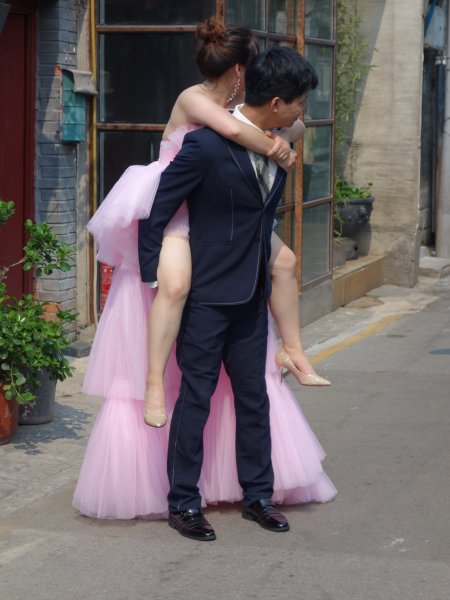
I
in rosa Tüllkram
verkleidet die künftige
Herrin des Hauses?
II
huckepack trägt er
die Braut ist er ihr Retter
oder ihr Esel?
die Katze springt zwar
auf meinem Tisch aber sie
leckt sich manierlich

den kleinen Buddha
seh ich komplett vom großen
gerade die Zehen
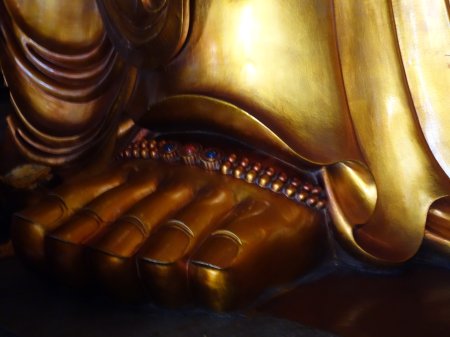
Der hölzerne Buddha in der Haupthalle des Tempels ist achtzehn Meter hoch; sein oberer Teil ist in der engen Halle nur schwer und nur mit in den Nacken gebeugtem Kopf zu betrachten.
statt warmer Hosen
tragen die Frauen ihren
Zitronenpudding
im Mauergeviert
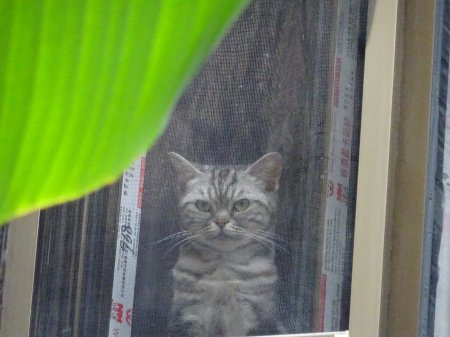
unter Bananenblättern
blinzelt die Katze
im Herzen wiegen
hundert goldene Buddhas
noch nicht mal ein Gramm
im Nebenzimmer
startet und landet ein Paar
schon seit zwei Stunden
nur ja keine Frau
lieber eine gewiefte
Ventilatorin
Shigain Monzeki Tempel, Sakamoto
wie wäre es still
im Klostergarten rülpste
da nicht ein Karpfen
mitten im Sommer
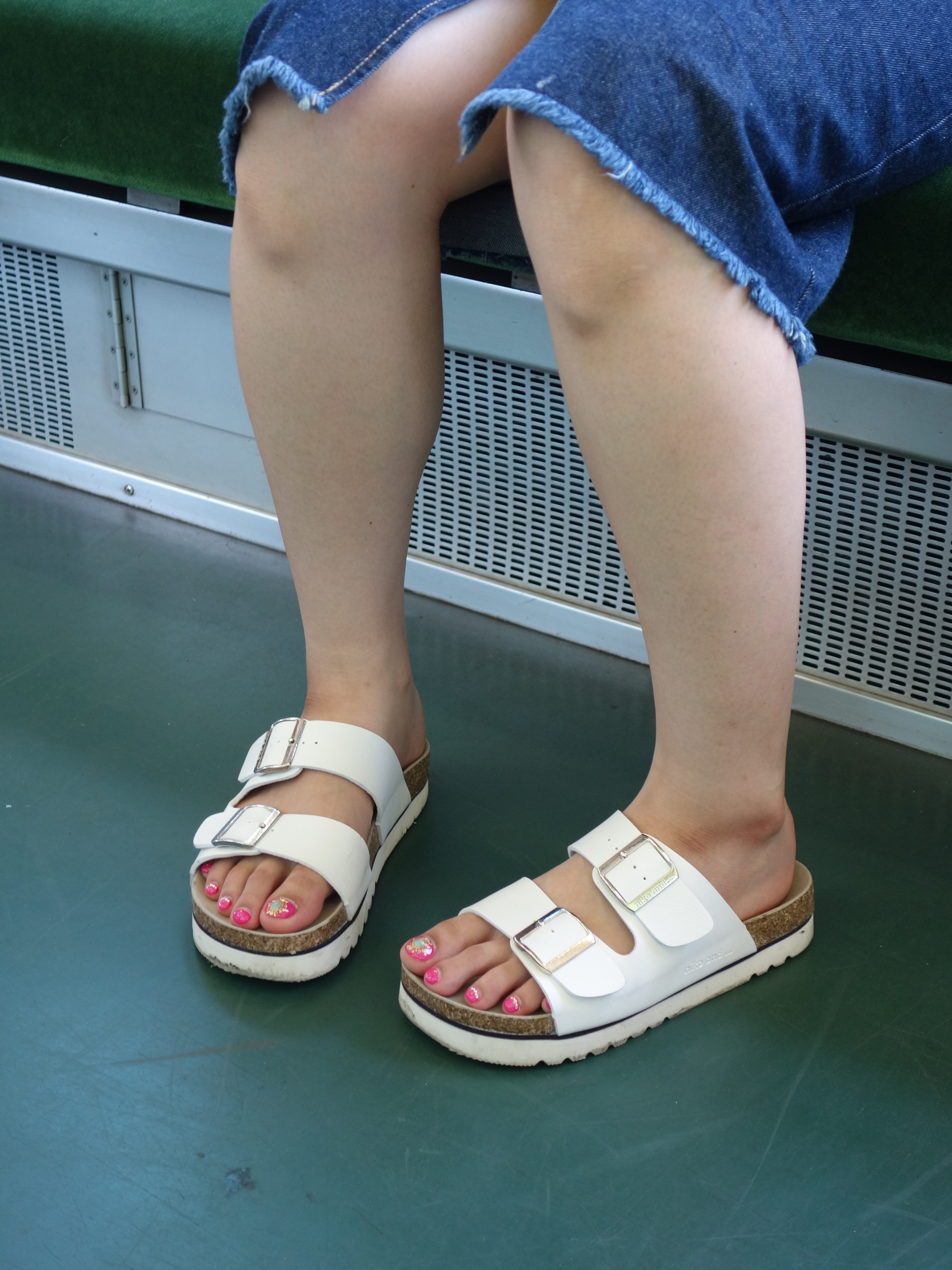
stellt sie die kleinen Füßchen
zu einem Schneepflug
zwölfmal umkreist sie
die Tempelhalle Buddha
verdreht sich den Hals
Nachmittagssonne
zwischen Socken und Rocksaum
goldene Waden
oben Kimonos
unten kämpfende Schenkel
und Kiefernborsten
„Shunga (jap. 春画, Frühlingsbilder) ist der japanische Begriff für Gemälde, Drucke und Bilder jeder Art, die in expliziter Weise sexuelle Handlungen darstellen. Obwohl Shunga auch als Gemälde, Zeichnungen, Kupferstiche oder Fotos existieren, werden darunter üblicherweise entsprechende japanische Farbholzschnitte oder Bücher der Edo- und Meiji-Zeit (17. Jahrhundert bis 1912) verstanden.“ (Wikipedia)
sie hat fast nichts an
und trotzdem platzt sie krachend
aus allen Nähten
sogar der Goldfisch
nimmt sich ein Seerosenblatt
als Sonnenschirmchen
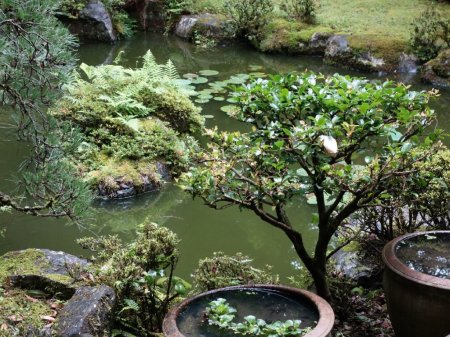
der Tempelgeist schläft
manchmal zittern die Farne
wenn er sich umdreht

ein Luftzug wölbt die
Gardine prompt träume ich
etwas Gewölbtes
Bashos Froschs Enkel
plumpsen zwar nicht in den Teich
aber sie quaken
Matsuo Basho (1644-1694):
der alte Weiher
ein Frosch springt hinein
der Klang des Wassers
der Goldfischweiher
trägt jetzt ein weißes Pelzchen
aus Wasserspritzern
man sieht sie zwar nicht
aber im Nebenzimmer
hört man sie kichern
nicht hier und nicht da
eigentlich beinah nirgends
fast schon gestorben
Zwiebelmettbrötchen
munden ihm gut er atmet
die deutsche Kultur
die Nasenhaare
gestutzt bald summen Bienchen
in meine Nüstern
Sitzen und Singen?
lieber die schlichte Weisheit
der Sinnesfreuden
Ikkyū Sōjun (1394-1481)
don’t hesitate get laid that’s wisdom
sitting around chanting what crap
(Crow With No Mouth. Ikkyū. Fifteenth Century Zen Master.
Versions by Stephen Berg. Port Townsend: Copper Canyon Press 1989. 54. Klappentext: „Zen master Ikkyū Sōjun was a Japanese monk-poet-calligrapher-musician who celebrated erotic love and attained satori upon hearing a crow call. Appointed headmaster at Daitokuji, the great temple in Kyoto, he lasted nine days before denouncing the rampant hypocrisy among the monks. He invited them to look for him in the sake parlors of the Pleasure Quarters.“)

ob ihr der Fahrtwind
beim Rock hinein- und bei den
Ohren herauspfeift?
… rote Kirschen auf
Sahne ich träume täglich
von Ihrer Torte! …
im Westen Silber
die hohen Kiefern schon schwarz
Holzschnitt mit Amsel
nun ist sie wieder
in Misburg lieber schriebe
ich ihr nach Paris
selbst die Gioconda
würde zum Mauerblümchen
vor diesem Lächeln
nicht eine Wimper
lässt sie zu Hause sie reist
komplett nach Paris
ihr Rocksaum schaukelt
der Ventilator weht uns
Wind um die Beine
erst nur Gepiepse
aber allmählich lernen
die Kleinen singen
wo sonst ihr Mund war
schmollt jetzt in ihrem Gesicht
ein Entenschnabel
unsere Traumfrau
muss uns die Träume vorher
schriftlich gestatten
künstliche Wimpern
in einem bösen Gesicht
Augen mit Krallen
am Ende waren
unsere Herzen schneller
als unsre Füße
ihr Achterbahntraum
ich wäre damals verdammt
gern zugestiegen
da träumt mal endlich
eine von mir und ich? ich
Trottel verschlaf es
die Wipfel wogen
uns weht der lauwarme Wind
wild durch die Köpfe
sie klopft ich fege
schnell noch die toten Fliegen
von der Kommode
ob sie Kakao mag?
seit Tagen feile ich an
der Einkaufsliste
der Alsterwal bläst
der Wind weht feinen Nebel
in meinen Kaffee
ihr rundliches Knie
unter dem Flecken Sonne
ein weißer Kohlkopf
ohne Bedenken
würgt sie auch noch die Börse
in ihre Hose
wär ich ein Schwan dann
quölle mir die Frisiercreme
nicht durch die Finger

 KLAUS BAYER: KLEINE REIME
Du muss angemeldet sein, um einen Kommentar zu veröffentlichen.