sie sprechen nicht ein
verbotenes Wort sondern
einander heilig
Hastiger Aufbruch
wie ist das möglich?
plötzlich ein Finger zu viel
in meinem Handschuh?
Seerosenteich
ein Sonnenaufgang
mit Wasserläufern hundert
zuckende Fünkchen
Immerhin
zwar nur ein Halbmond
aber er füllt mein Zimmer
freundlich mit Vollmilch
Schlichtes Gemüt
sogar bei Pornos
rätselt er jedesmal neu
wie es wohl ausgeht
Hortensien
die große weiße
verdeckt die kleine rote
doch die schimmert durch
Sommerrock
ein enger Tunnel
aus dem zwei weiße Knie ins
Sonnenlicht blinzeln
Ausflugsorakel
wir zupfen Blüten
es regnet es regnet nicht
dann brechen wir auf
Kurznachricht
sie schickt drei Smileys
schickte sie mir doch einen
eignen Gedanken!
Balkonalarm
Lavendelblaulicht
und eine schrille Biene
als Martinshörnchen
Freiburg 1969
sie liebte Rauchtee
ich Narr war deshalb sicher
sie sei auch feurig
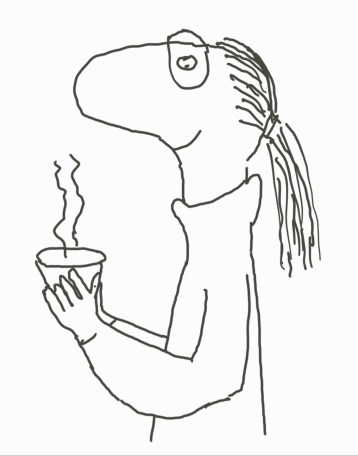
Erleuchtung im Park
einfache Rechnung
zwanzig Ohren im Gras
macht zehn Karnickel

Sommerverkehr II
vornübergebeugt
radelt sie mir entgegen
ein hübscher Nabel

Sommerverkehr I
so gern fährt sie Rad
dass sie selbst nachts im Bett noch
die Luft zerstrampelt
Abseits
ich döse am Teich
ab und zu guckt mal ein Fisch
ob ich noch da bin

Enttäuschend
der Frühlingswind lupft
die Seerosenblätter und
findet nur Wasser
Verblüffend
ihr Röckchen zaubert
aus einem einzigen Rumpf
macht es zwei Beine
Internationales Froschkonzert
zehn quaken auf Deutsch
einer klappert auf Spanisch
mit Kastagnetten
Maiwind
vor meinem Fenster
tänzelt ein Königspudel
aus Weißdornblüten
Morgenstunde
Pfötchen nach Osten
beten die Hasen im Park
zum großen Rammler
Nach dem Mairegen
kaum bleibst du stehen
schon wächst dir das Gras in
die Hosenbeine
Ruhelos
Schäfchen zum Zählen
hat sie genug ihr fehlen
die Schläferstündchen
Spätfrühling
die Blüten verweht
die Kirsche trägt jetzt grüne
Alltagsklamotten
Exhibitionistin
unter dem Mantel
statt Gänsehaut Tarnzeug mit
Strass und Pailletten
mir stockt der Atem
jetzt knöpft sie sich auf zum Glück
hat sie was drunter

Konzert am Teich
eins nach dem andern
erst wenn die Frösche schweigen
hör ich den Kuckuck
Der Verdruss der Meisen
Eichhörnchen plündern
kopfüber hängend gierig
das Vogelhäuschen
Brief aus Tokio
die Kirschbaumblüte
im Großstadtgrau schreibt Nami
heilt die Passanten
Der Text bezieht sich auf den YouTube-Vlog „Namis Leben“
mit sparsam untertitelten Videos über den Alltag
einer Tokioter Büroangestellten.
„Coffee to go“
Pappbecher werden
während wir plaudern plötzlich
zu Meißner Tässchen
Zweierlei Seerosenblätter
wer hat es besser?
die unter Wasser oder
die oben im Licht?
In den Leineauen
die Erlen am Fluss
nachts die emsigen Biber
ein Schlag ins Wasser
Flipper
die Hummel taumelt
lange zwischen den Blüten
das gibt ein Freispiel
Vorfrühling am Badesee
drei nackte Männer
wärmen sich an der Hoffnung
auf dito Frauen
Bodenkrieg
Wollmausarmeen
marschieren durch meinen Flur
beherzt in die Schlacht
„Aus!“
am Ende des Parks
zerbissene Stöckchen und
traurige Hunde
Meisen auf dem Fenstersims
weiße Gesichter
mit schwarzer Gangstermaske
wie Schlittenhunde
Hochzeitsfotos im Park
Schnee auf den Schultern
rafft sie auch noch die Röcke
um nicht zu stolpern
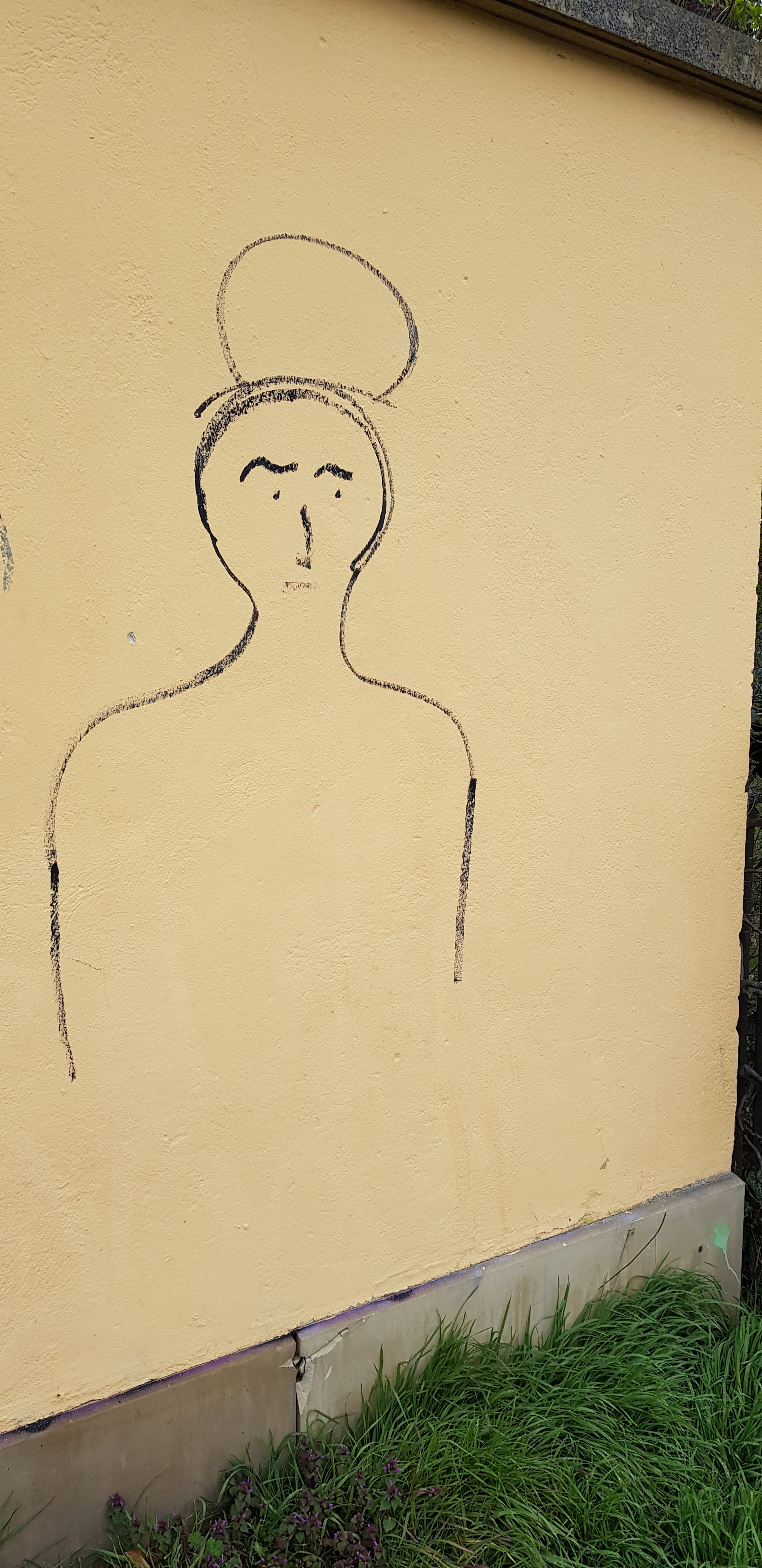
Graffito
hastige Striche
auf einer gelben Mauer
ein Bodhisattva
Pünktlich
am Weg zum Bäcker
Amseln und Meisen sämtlich
schon auf den Beinen
Kalter April
die Blüten verschneit
der warme Mantel verflixt
schon auf dem Speicher
Zorniger Schwan
I
wie angestochen
fegt er über den Weiher
und scheucht die Enten
II
Jesus schwob würdig
er aber stürmt durch den See
und jagt ein Blesshuhn
Fehlalarm
bricht ein Vulkan aus?
brennt Rom? nur Osterfeuer
im Nachbargarten!
Picknick am See
die Frühlingsbrise
pfeift auf dem leeren Flachmann
fröhliche Weisen
Gottseidank!
am Kiesteich
alle Nudisten
wegen des kalten Windes
in warmen Kleidern
Rätselhafter Haubentaucher
dort wo er abtaucht
taucht er gewöhnlich nicht auf
sondern woanders
Schrankversteck
eine Kindheitserinnerung
eingezwängt zwischen
Mänteln und Miedern
unten im Dunkeln
entdeckt man mich nie
ich atme Moschus
und Mottenkugeln
und das Aroma
von Tante Marie
Stammgäste
erst kommt er in Grau
dann sie in Hellrot ein Paar
wie Flamme und Rauch
Haustiere
Schoßhündchen sind ihr
verhasst Irma liebt zahme
Marienkäfer

Hausputz
aus meinem Staubtuch
steigt weißes Gewölk heiter
zum Frühlingshimmel
Vor dem Frühjahrsputz
selbst auf den Büchern
wachsen inzwischen blonde
flaumige Fellchen
Mutter und Kind
eine Idylle
sie selbst kaut Kuchen
das Kind saugt sich die Krümel
aus ihren Brüsten
Untergang
kein Blesshuhn mehr da
nur ein paar Wellenringe
und Wasserspritzer
Morgennebel
die Welt im Nachthemd
ein Traum aber ich fürchte
bald zieht sie es aus
Heiliger Ernst
Sichlustigmachen
ist jetzt verpönt kein Wunder
dass niemand mehr lacht
Wintersonne im Barockgarten
die welken Hecken
Wäscheständer voll dünner
hellbrauner Nylons
Wäscheleine
der rote Tanga
oder die Schlabberhose?
Hyde oder Jekyll?
 Hongkong 2005
Susi liest
mein kurzes Gedicht
in ihrer langen Leitung
steckengeblieben
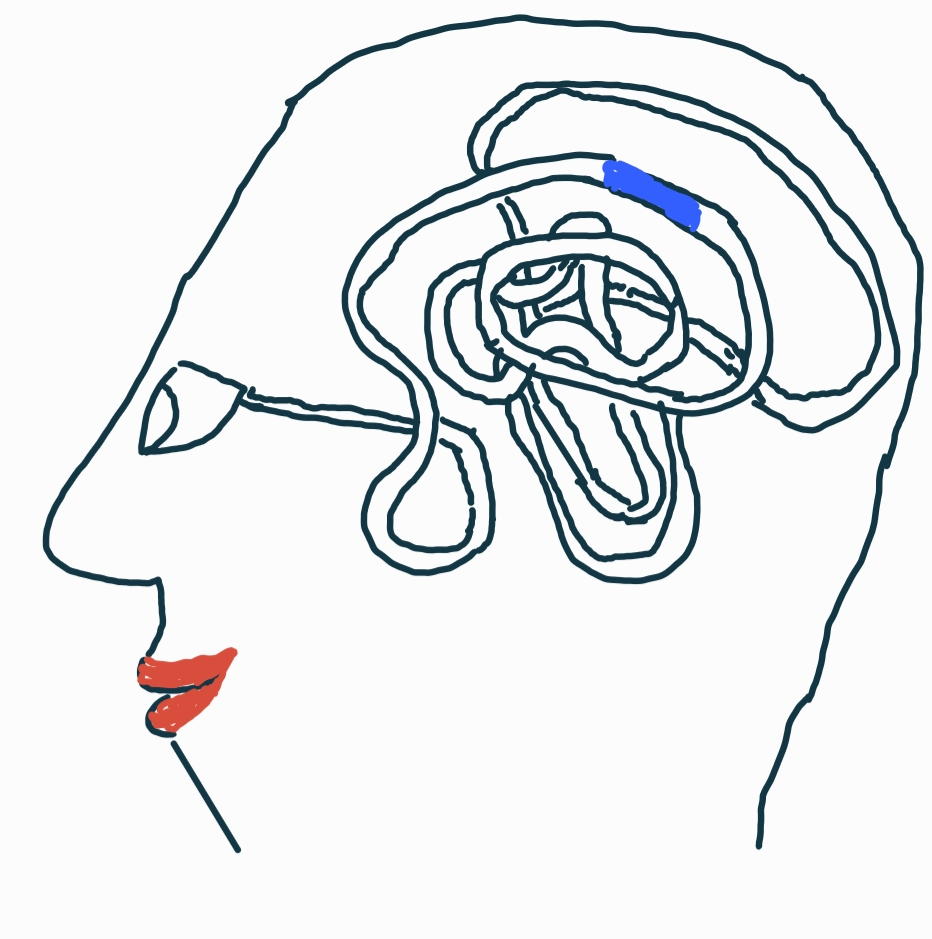
Tauwetter
es ist wie immer
nach dem Vergnügen beginnt
das große Tropfen
Schlafzimmer
ein Hochgebirge
aus Kissenzipfelgipfeln
und Federbettfirn
Schwarzweiß
wär nicht die Amsel
könnte man all den Neuschnee
glatt übersehen
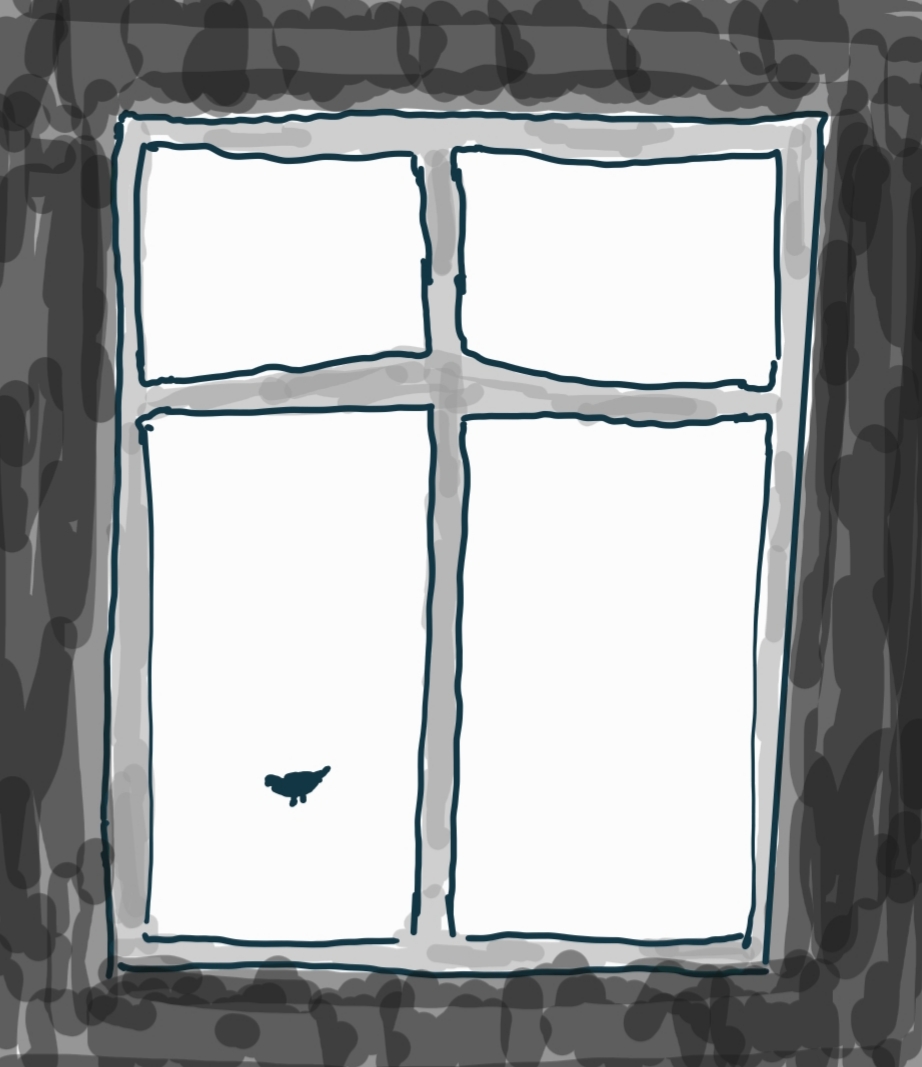
Unverständlich
bliesen sie wirklich
wo entwiche am Ende
die unnütze Luft?
Annäherung an eine Krähe
Herrenhäuser Graft, Hannover
ob sie ein Buch liest?
ach was! sie pickt in einer
offenen Muschel
Moorteich
ein stilles Blesshuhn
schreibt in die Entengrütze
magische Zeichen
Schneemannbaustelle
buntgekleidete
Zwergsisyphosse wälzen
eisige Klötze
Nächtlicher Schneefall
der Nachbargarten
taghell als hätte jemand
das Licht angelassen
Schutzmaske
am Kinn sind Strapse
nicht halb so schön wie oben
an weißen Schenkeln
Januarmorgen
gelblicher Nebel
heute duftet Hannover
schärfer als Shánghai
Anatolische Satteltasche
vom Eselsrücken
als Fußsack an meine Füße
welche Karriere

Baumschnitt
kein Ast mehr im Weg
jetzt kann er sehen wie sie
den Vorhang zuzieht
Ersatz
seit sie ihm weglief
schwärmt er für Filmstars die ihr
von weitem ähneln
Frost
I
die Buche im Schnee
auf einem Zweig die Krähe
im Kleinen Schwarzen
II
die Krähe freut sich
Schnee bringt ihr Kleines Schwarzes
prächtig zur Geltung
Modernes Theater
was schreien die so?
mag sein die schreien weil sie
nicht sprechen können
Modetrend
hauchdünne bunte
Kleider als Kirchenfenster
für fromme Flöhe
Maschsee
das Eis ist noch dünn
die Möwen heben ein Bein
und machen sich leicht
Neues Schlafmittel
statt Schäfchen zählt er
jetzt Joggerinnen die ihn
sanft überrunden
In den Leineauen
der alte Weiher
ein Wildschwein hechtet hinein
der Klang des Wassers
Eine Kontrafaktur zum berühmten Froschhaiku des Japaners Basho (1644-1694)
der alte Weiher
ein Frosch springt hinein
der Klang des Wassers
die sich anbot, ja geradezu aufdrängte, weil das gestrige Wildschwein, wenn auch wohl unwissentlich, es Bashos Frosch auf frappierende Weise gleichtat.
Silvester im Park
Feuerwerksfreude
ohne Getöse und Rauch
ein Knallerbsenstrauch
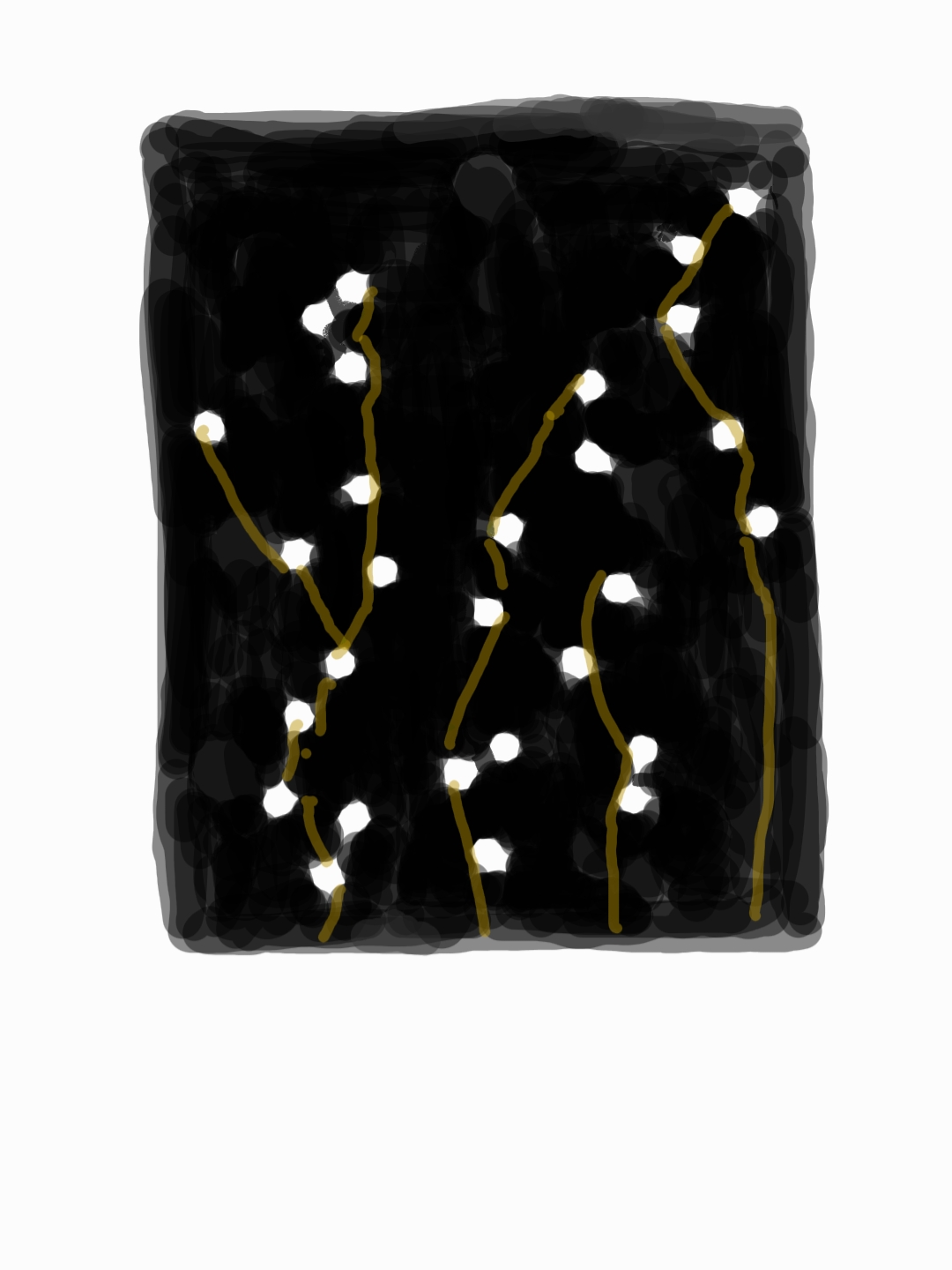
Frühlingsmorgen im Park
erschöpft vom Nachtdienst
stürzen zwei Fledermäuse
mir fast ins Gesicht
Christbaummode
Lametta ist out
bald wird man den kahlen Baum
wohl tätowieren
Schönheitsoperation
Biber verhelfen
den alten Erlen am Fluss
zu schlanken Fesseln
Dame im Garten
sie selbst sieht man nicht
man sieht durch grünes Gebüsch
nur ihre Zeitung
Dezemberfee
mit Punsch und Kerzen
macht sie die dunkle Straße
für uns zum Festsaal
Zimmer mit Parkblick
tritt sie ans Fenster
falten alle Karnickel
die frommen Pfötchen
Loblied auf einen Lebkuchen
für A. E.
ein krustiger Klotz
aber wenn man hineinbeißt
betörend klebrig
Herbstspaziergang
deutlich zu sehen
hinter entlaubten Büschen
ist nicht gut munkeln
Nachts auf dem Rad
das Rücklicht am Helm
macht jede keusche Gasse
zum Rotlichtbezirk
Cappuccino zum Mitnehmen
Novemberregen
tropft lustige Löcher in
fröstelnden Milchschaum
Adventsverbrechen
Frührentner fesselt
minderjährige Fichten
mit Lichterketten
Café Biedermeier
jenseits der Tasse
die große Welt ich bleibe
lieber in meiner
Rentnertreff
hier zählt nur eines
wer hat heute die besten
Hiobsbotschaften
Zufrieden zu Hause
Reisen verboten
macht nichts der bittre Grüntee
ist meine Madeleine
Winterkleidung
in all den Hosen
muss ich mich manchmal selber
stundenlang suchen
Geburtsanzeige
dass sie die Kinder
in Gramm auswiegen hat was
von Fleischertheke
Fahrradvergnügen
die Bodenwellen
vor meiner Haustür täglich
ein Achterbahnflug
Feldmaus
lugt keck aus dem Loch
als wäre der Acker nichts als
ihr Mantelkragen
Enttäuschung
im leeren Gasthaus
die wundermilde Wirtin
nirgends zu finden
Novemberallee
vom Sturm entblättert
wiegt sich das Ästeballett
im Dauerkopfstand
Goldener Oktober
im Park mal wieder
das bunte Herbstfest der Post
und der Feuerwehr
Polka Dots and Sunbeams
ein schmuckes Schäfchen
vom Dösen im Herbstgras mit
Kötteln bepunktet
„Polka Dots and Moonbeams“ ist ein Song aus dem Jahr
1940 und ein seither häufig aufgenommener Jazz-Titel.
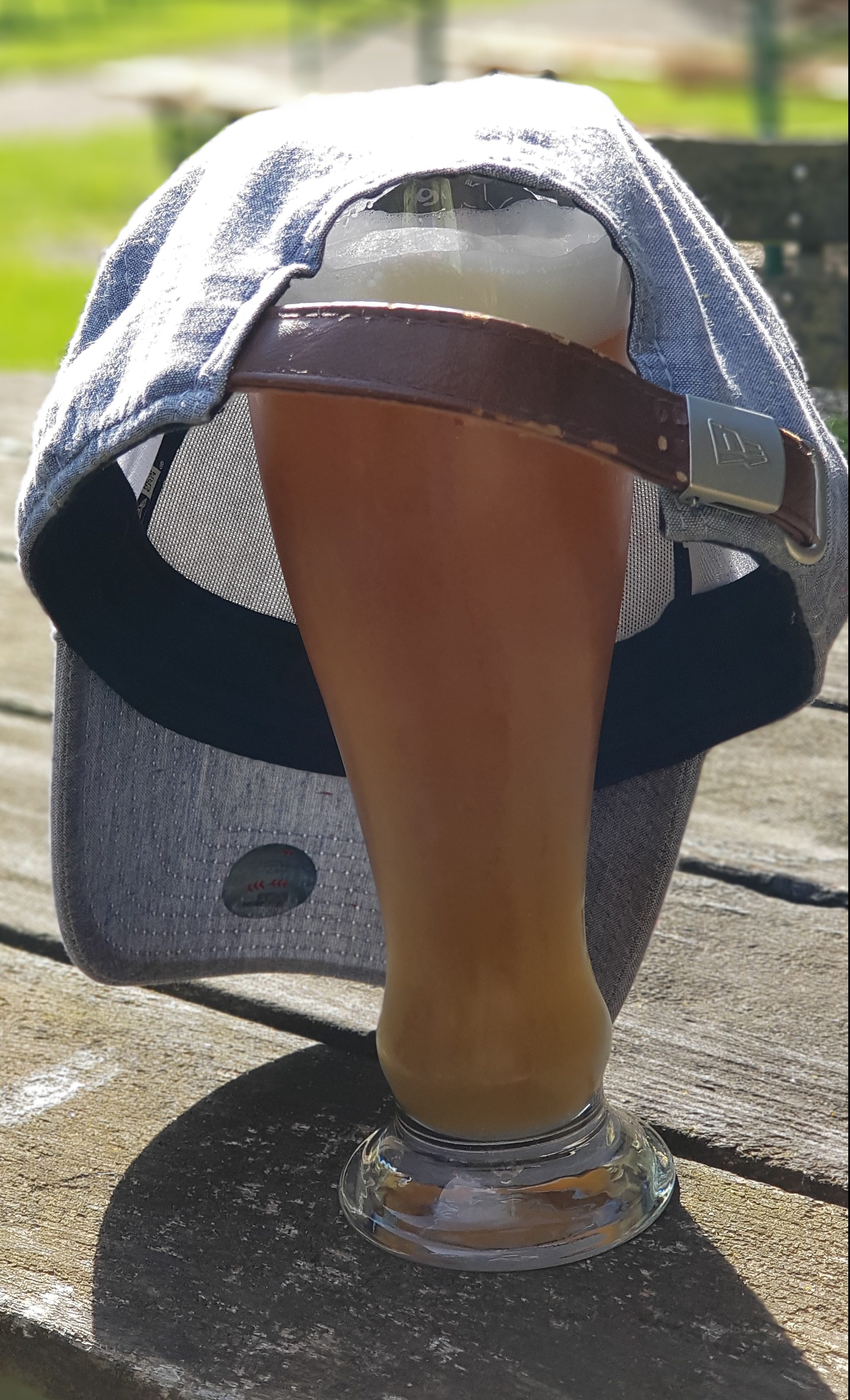
Gartenwirtschaft
vom vierten Glas an
tarnt er sein Weißbier unter
der Baseballkappe
Eichhörnchen
kein Wind und trotzdem
wirbeln mitunter drüben
im Baum die Blätter
Familiensoziologie
die ganze Wohnung
ein Kinderzimmer
überall machen
die Kleinen Faxen
den Großen ist das
inzwischen ganz recht
die sind meist selber
nicht mehr erwachsen
Eine Mutter im Café
sie mag sein Geschrei
schließlich hat sie den Flegel
selber geboren
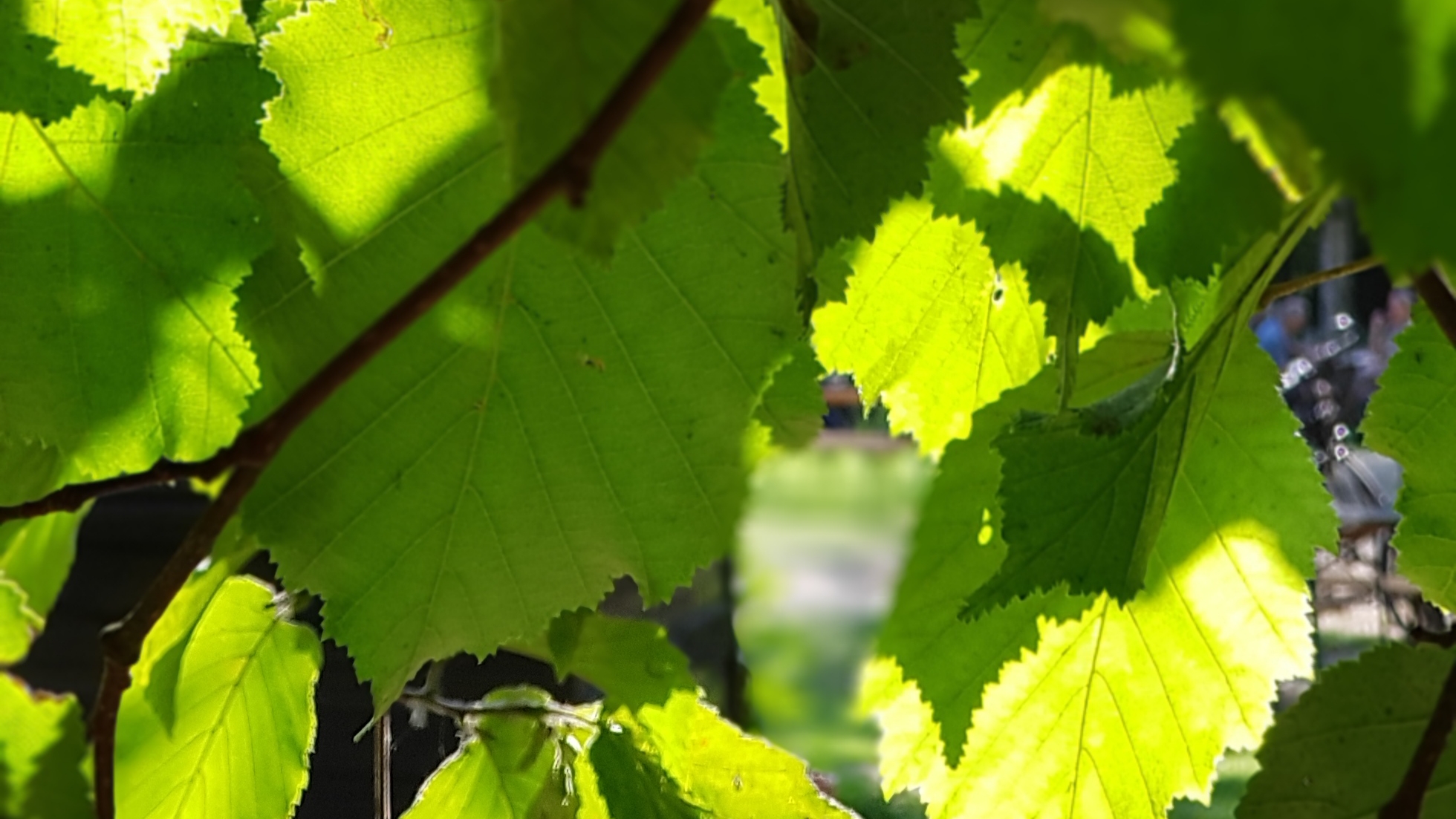
Grüne Laube
Herbstzeitlosigkeit
hier tickt keine Uhr manchmal
fallen Kastanien
Freundliche Wirtin
Laatzen
pausenlos möchte
ich kleckern damit sie kommt
und meinen Tisch wischt
Windsbraut
erst zaust sie den Baum
als sei sie wunders verliebt
und dann schläft sie ein
Skylla und Charybdis
Vergessen ist schlimm
aber Behalten häufig
noch weitaus schlimmer
Vorsorglicher Hinweis
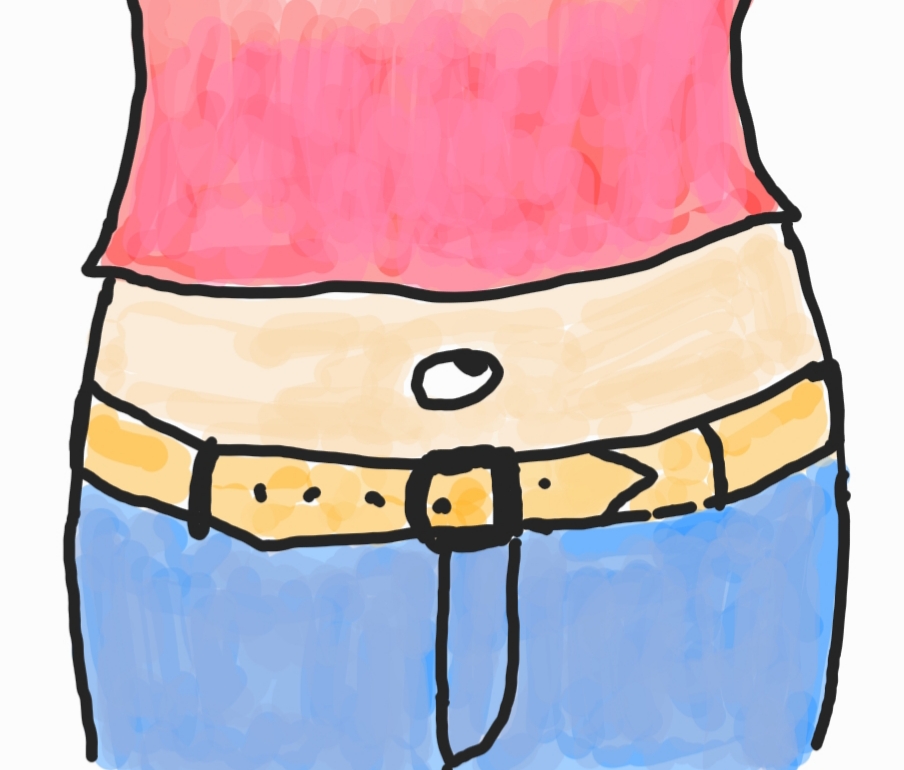
Warntag 2020
du denkst sie guckt nicht
doch ihr nackiger Nabel
hat dich im Auge
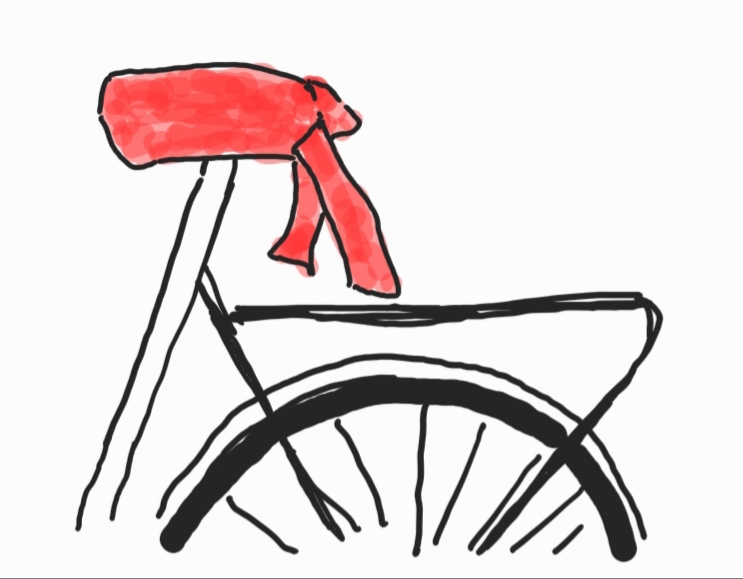
Radfahrerin
bevor sie aufsteigt
verbindet sie züchtig dem
Sattel die Augen
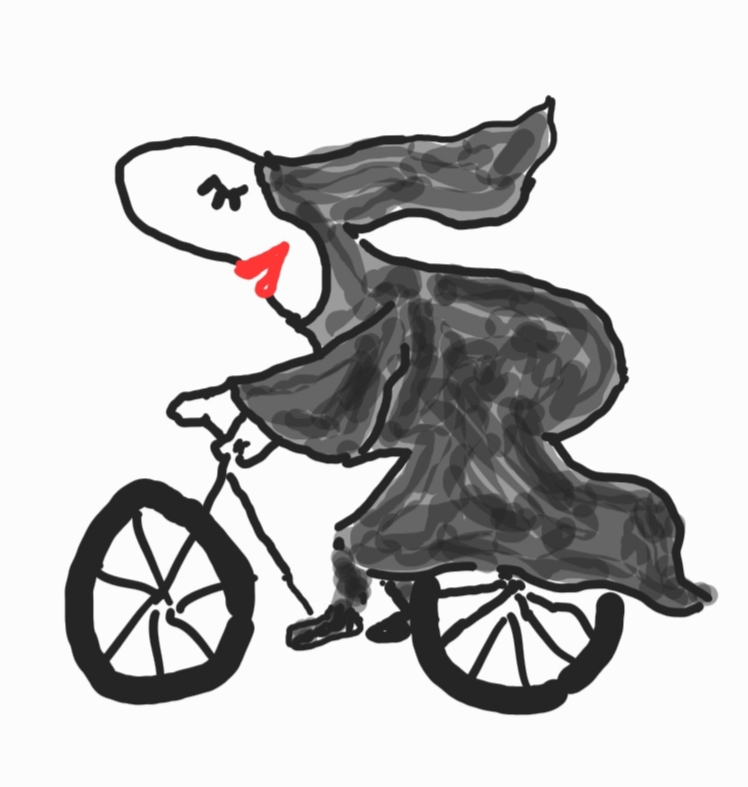
Fahrradfrevel
der freche Fahrtwind
hat sich in frommen Falten
völlig verfangen
Herbststrauß
als wäre ein Frosch
in den Milchtopf gesprungen
Zwergchrysanthemen

Japanischer Pavillon
auf Reisstrohmatten
dienern Kimonos schweigend
vor grasgrünem Tee
Mein Wespenstich
auch wenn der Hals schmerzt
endlich prangt da mal wieder
ein fetter Knutschfleck
Dorfweiher
der Schwan wie üblich
schneeweiß nur an der Bordwand
klebt Entengrütze
Zimmerpflanzen
(Shanghai 1987)
Chrysanthemen mit
Jauche gedüngt nach jedem
Gießen die Hölle
Am Kiesteich
zwei Badenixen
umringt von Männern die tun
als ob sie läsen
Ganzkörpertattoo
ein Dorf voll Gedöns
wie soll der Bauer da noch
zur Kirche finden?
Verlassene Kapelle
mit frommem Knarzen
schreiten die leeren Bänke
nach vorn zum Altar
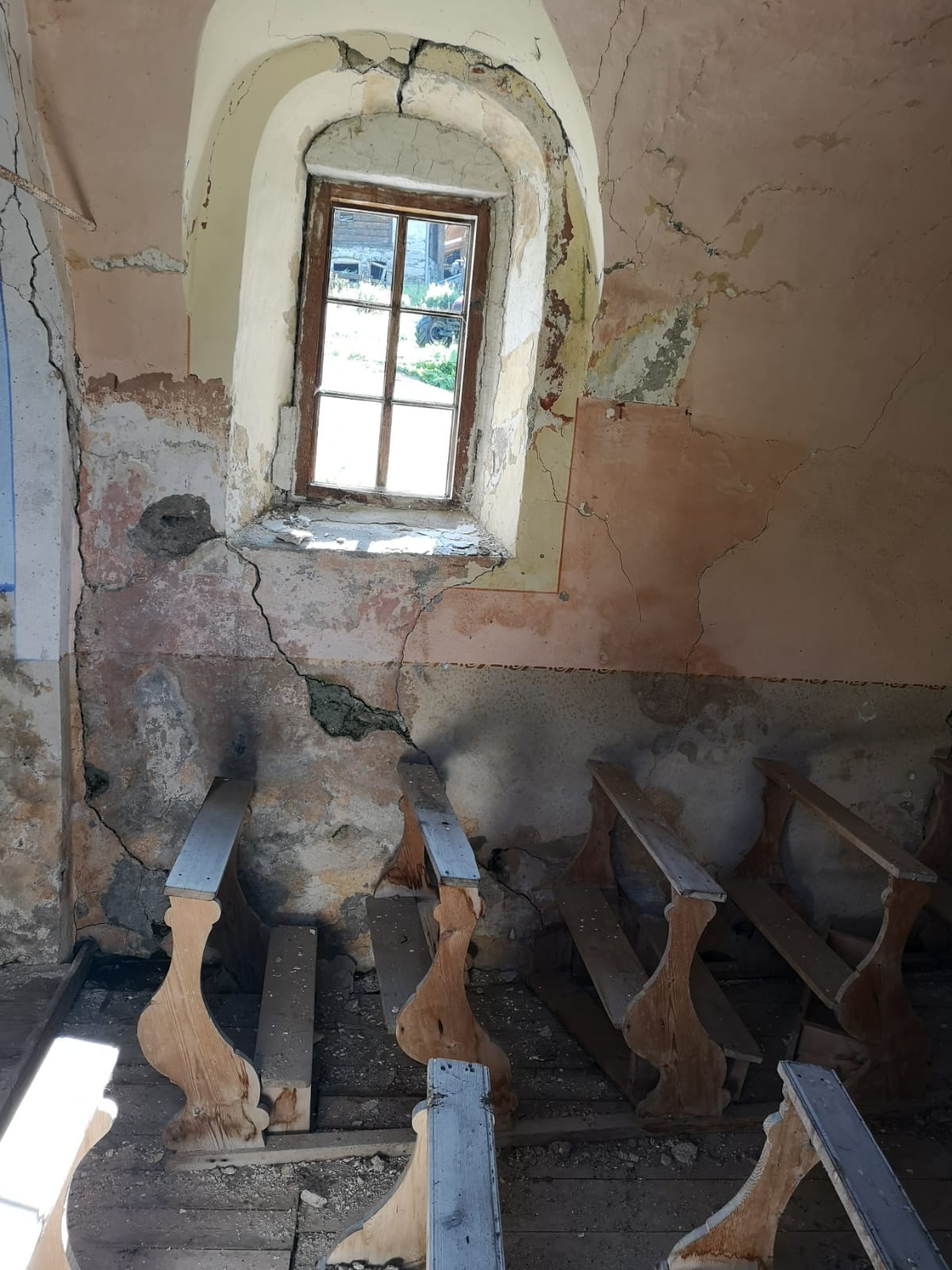
Foto: J. Ortner
Sommermode
Weihnachten sind die
Damen praktisch dieselben
nur mit Verpackung
Stiller Balkon
ab und zu häckselt
der Ventilator eine
versprengte Wespe
Herr und Gscherr
Kühlergrillgrinsen
manche Besitzer gucken
wie ihre Autos

If we pick up a brush, we feel like writing; if we hold a musical instrument, we wish to play music. Lifting a wine cup makes us crave saké; taking up dice, we should like to play backgammon. The mind invariably reacts in this way to any stimulus. … Phenomenon and essence are fundamentally one. (Essays in Idleness. The Tsurezuregusa of Kenkō. Translated by Donald Keene. [1967] Tokyo, Rutland, Singapore: Tuttle 1981. No. 157, 139.)
Sommernacht
ich Narr ich greife
im weißen Mondlicht nach Schnee
für einen Schneeball
Kokan Shiren (1278-1345): Winter Moon
Opening the window at midnight, the night air cold,
Garden and roof a gleaming white,
I go to the verandah, stretch out my hand to scoop up some snow –
Didn’t I know that moonlight won’t make a ball?
(Zen Poems. Selected and edited by Peter Harris. New York: Alfred A. Knopf 1999. 149. Übersetzung David Pollack.)
Popmusik in der Altstadt
das Brunnenrauschen
vor lauter sound of silence
nicht mehr zu hören
Frage an die Sprachberatung
Irrenhaus geht nicht
wie soll man heute die Welt
korrekt benennen?
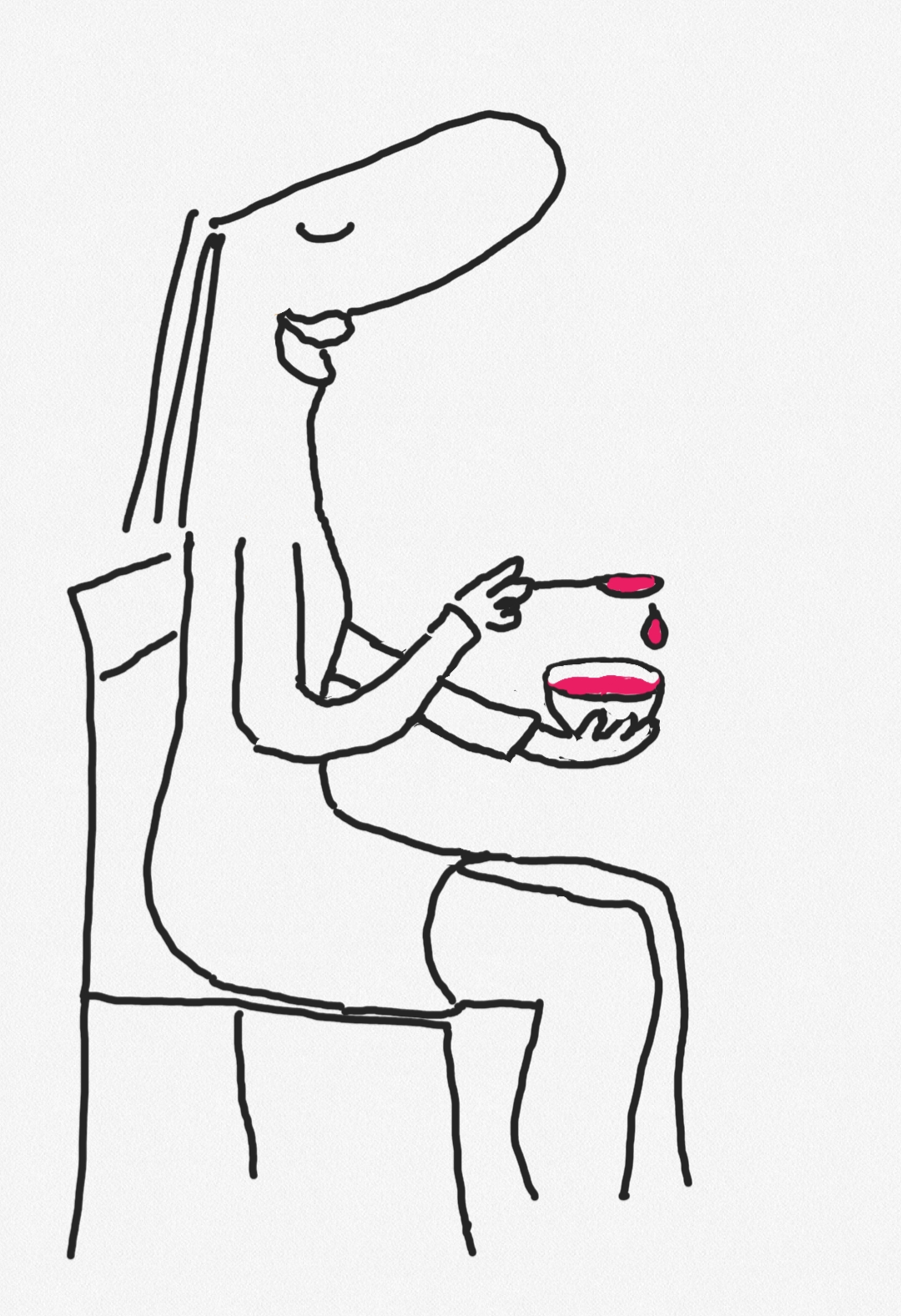
Saubere Trennung
verblüffend draußen
das weiße Kleid und drinnen
Tomatensuppe
Abgesang auf meine Muse
die Dame ist jüngst
ins Gebärfach gewechselt
nun küss ich mich selbst
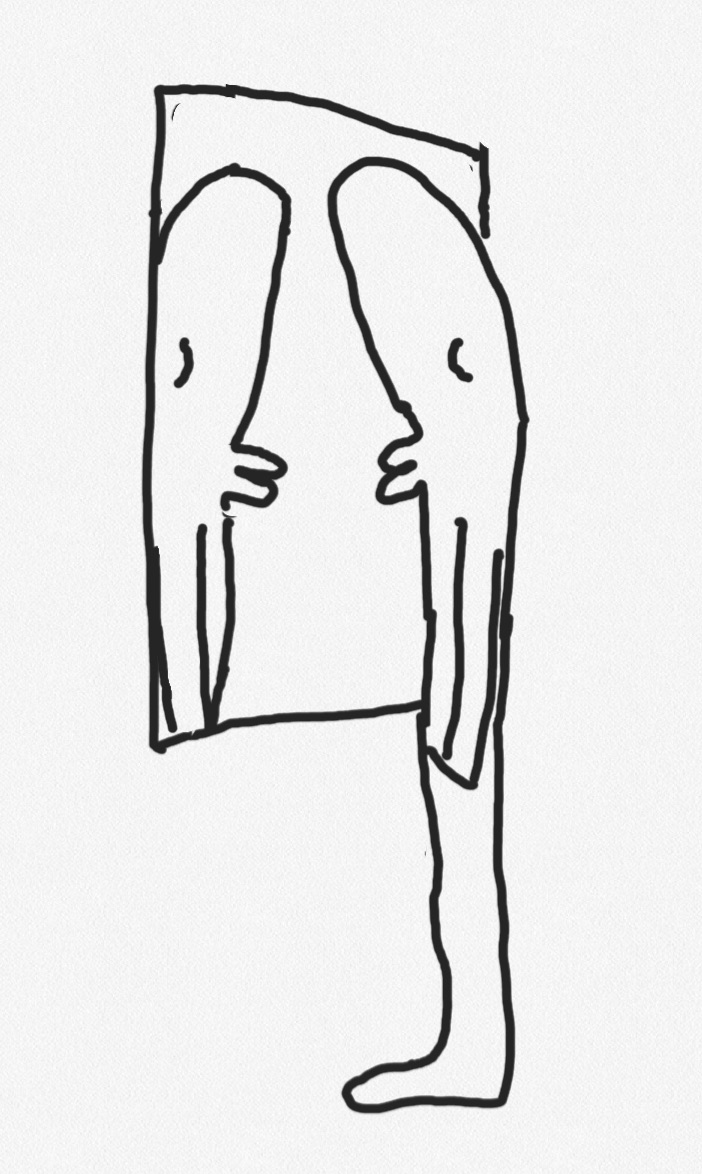
Tattoo V
auf ihrem Schenkel
erzittert bei jedem Schritt
ein wilder Löwe
Sommermorgen
die Krähen rätseln
lauter geknickte Blumen
und Dellen im Gras
Himmel und Erde
verdammt ist das eng
wir sitzen der Welt zwischen
Busen und Bluse

Theorie des Haiku
nein Adlerschwingen
verleiht es dir nicht nur ein
Paar Wanderschuhe
Punk
kampfbereit lauert
schneeweiße Laufmaschenhaut
in schwarzen Nylons
Rohkost
die schlaue Schnecke
in meinem Salat tarnt sich
als rote Bohne
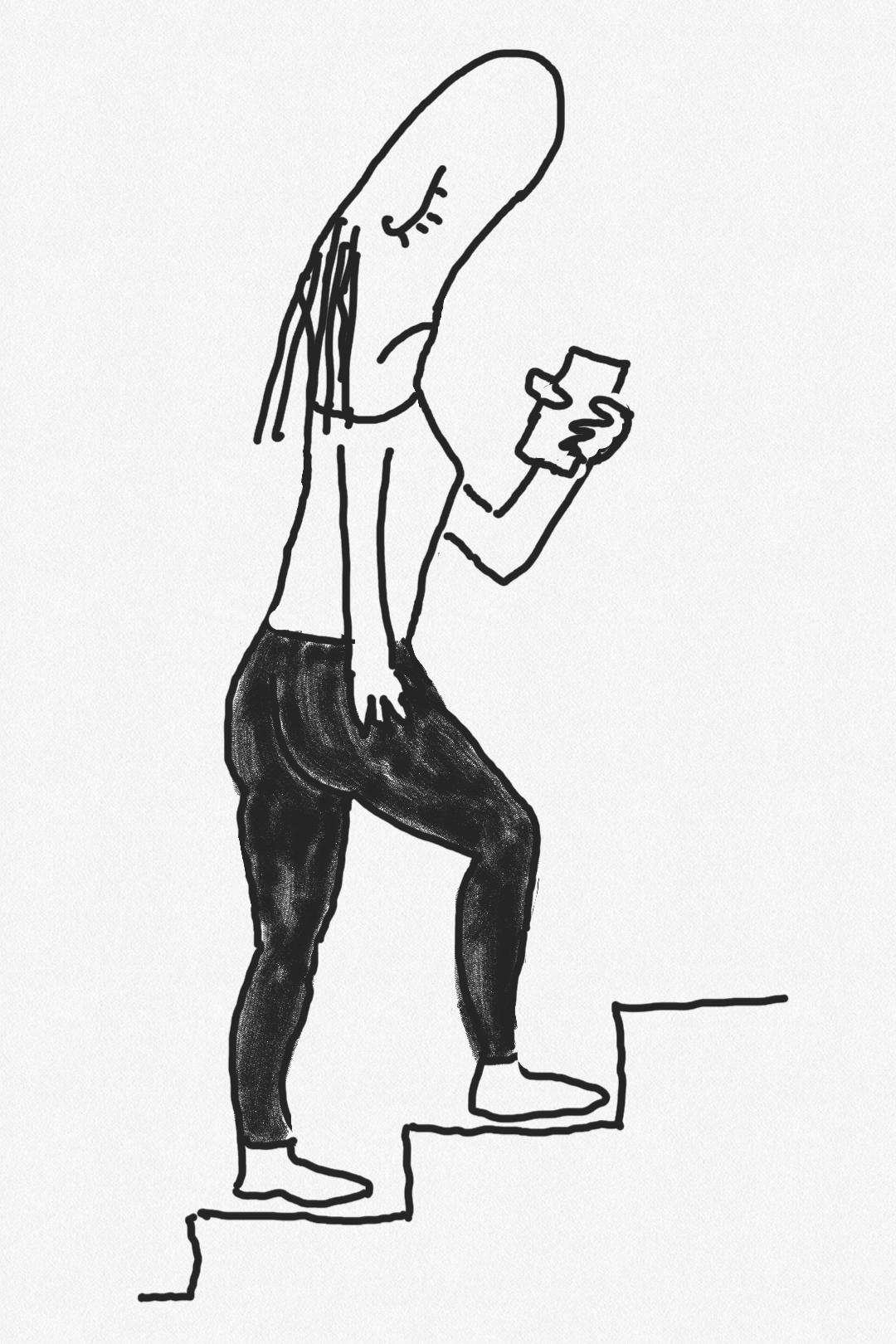
Treppenhausprinzessin
sie grüßt so sparsam
als könnte ihr sonst eine
Hosennaht platzen
Radlerglück
was für ein Zufall
ein Luftloch im Helm genau
wo mir der Kopf juckt
Mein Fahrrad
die Lenkergriffe
halb zarte Haut halb Gummi
wie einst Susanne
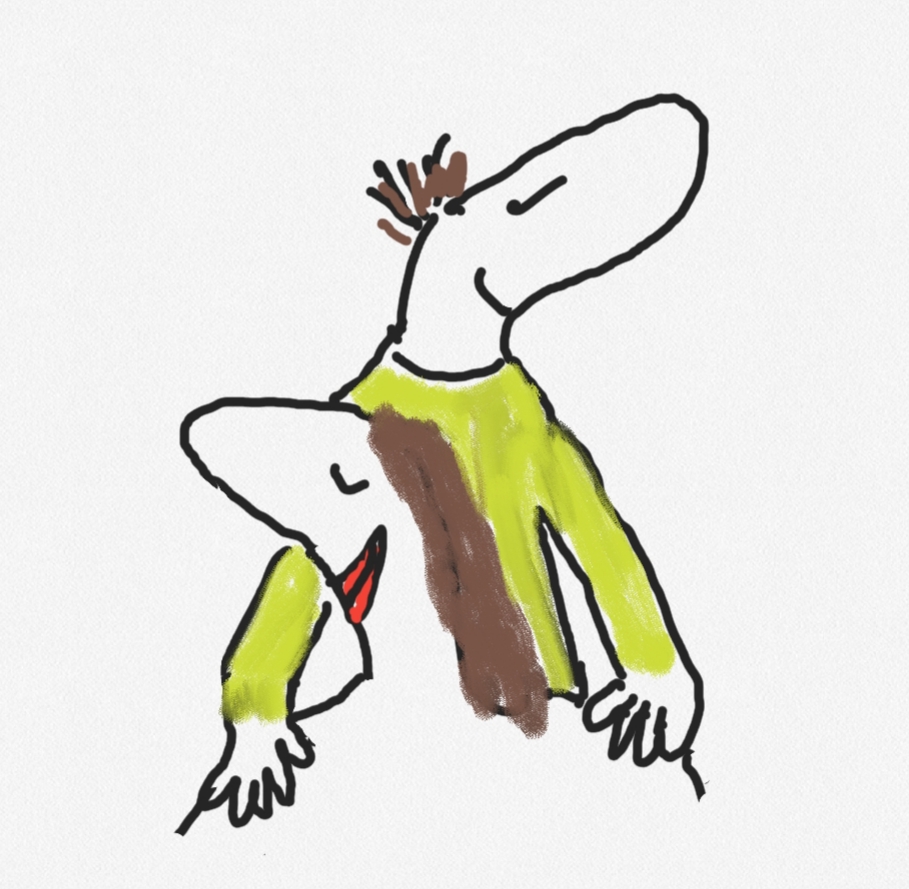
Frühsommer
nach dem Spaziergang
zerstäubte Lindenblüten
auf meinen Schuhen
Beidhändig im Café
links Cappuccino
rechts kratzt er sich genüsslich
zwischen den Beinen
Cooles Telefonat
er hält das Smartphone
flach vor den Mund ein Spucknapf
für dumme Sprüche
Reklamation
immer nur zahme
Träume unter der teuren
Wildseidendecke

Herrenhäuser Allee
die Linden summen
vor Lust die Bienen kitzeln
sie an den Blüten
Im Straßencafé
grellbunte Tattoos
geistig wohnt er auf ewig
im Kinderzimmer
Wahlspruch
aufs Leben pfeifen
und heiter weitermachen
solange es geht
Ein seltenes Talent
einfach nur ganz still
sitzen und einen alten
Hausschuh betrachten
Charles Bukowski (1920 bis 1994)
the area of pause
you have to have it or the walls will close
in.
you have to give everything up, throw it
away, everything away.
you have to look at what you look at
or think what you think
or do what you do
or
don’t do
without considering personal
advantage
without accepting guidance.
people are worn away with
striving,
they hide in common
habits.
their concerns are herd
concerns.
few have the ability to stare
at an old shoe for
ten minutes
or to think of odd things
like who invented the
doorknob?
they become unalive
because they are unable to
pause
undo themselves
unkink
unsee
unlearn
roll clear.
listen to their untrue
laughter, then
walk
away.
Charles Bukowski: The Pleasures of the Damned. Poems, 1951-1993. New York: HarperCollins 2007. 434f.
Google Bildersuche
die alte Flamme
auf einem neuen Foto
nach all den Jahren
Autokorrektur
der Bauch (schreibt Irma)
verzweige sich in Äste
mit grünen Blättern
Catulla
bildschön und züchtig
ich wünschte sie wäre nur
eines von beiden
Formosissima quae fuere vel sunt,
sed durissima quae fuere vel sunt,
o quam te fieri, Catulla, vellem
formosam minus aut minus pudicam!
Martial, Epigramme VIII 54 (53)
Junges Paar
er trottet ihr nach
als schleppte nicht sie sondern
er ihren Busen
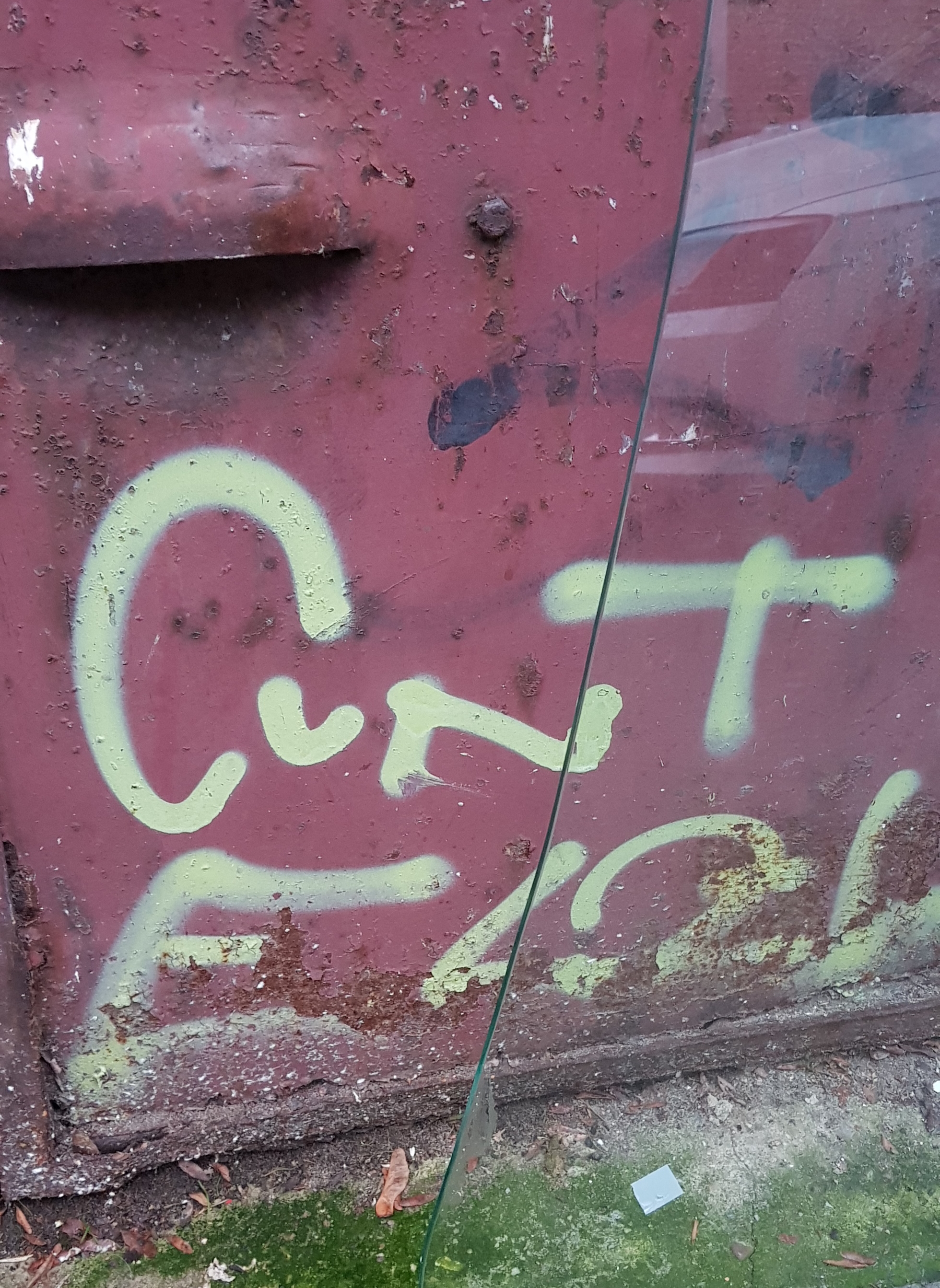
Graffiti
warum nur sprüht er
immerzu CUNT an die Wand?
lernt er Französisch?
Ikebana
ihr hautenges Kleid
eine bauchige Vase
nur für ihr Lächeln
Radfahrer
er kommt nicht voran
der Mundschutz zurrt ihm die Ohren
zu Bremsfallschirmen
Kiyotaki
Kioto, Oktober 2019
Zedernduft Weihrauch
und Moos der Waldweg braucht kein
Chanel Nummer fünf
 KLAUS BAYER: KLEINE REIME
Du muss angemeldet sein, um einen Kommentar zu veröffentlichen.